How to Increase Egg-Laying Efficiency with Battery Cages
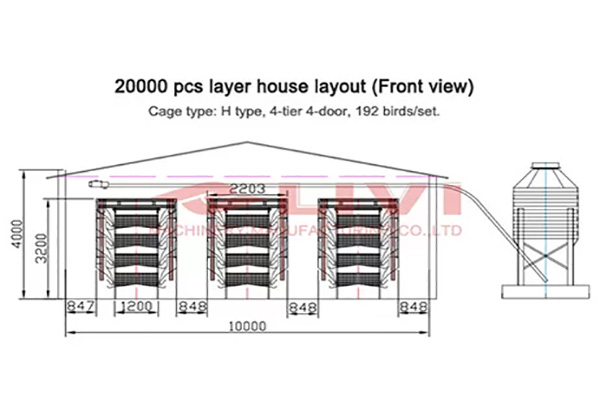
Battery cages are a common choice for egg-laying hens due to their space efficiency and ease of management. However, maximizing egg-laying efficiency within these confined spaces requires careful planning and the right equipment. Here are some practical tips to help you boost the productivity of your battery cage system.
1. Optimal Cage Design
The design of your battery cages plays a crucial role in egg-laying efficiency. Ensure that each cage is spacious enough for the hens to move around comfortably, but not so large that they feel isolated. A well-designed cage should provide ample space for the hen to stand, turn around, and reach the feed and water.
2. Proper Ventilation
Ventilation is key to maintaining a healthy environment for your hens. Good airflow helps regulate temperature and humidity, reducing the risk of respiratory diseases and improving egg quality. Make sure your battery cages are well-ventilated, with openings that allow for cross-ventilation.
3. Quality Feed and Water
The nutrition provided to your hens directly impacts their egg-laying efficiency. Ensure that you are feeding them a balanced diet rich in protein, vitamins, and minerals. Access to clean, fresh water is also essential; a malfunctioning water system can lead to dehydration and reduced egg production.
4. Regular Health Checks
Regular health checks are vital for early detection of any issues that could affect egg-laying efficiency. Regularly inspect your hens for signs of illness or stress, and address any problems promptly.
5. Egg Collection
Efficient egg collection is crucial to prevent the hens from eating their own eggs. Implement a system that allows for quick and easy collection without disturbing the hens. Automated egg collection systems can significantly reduce the time and labor involved.
6. Lighting Schedule
Lighting is a critical factor in regulating the laying cycle of hens. A consistent lighting schedule can help maintain a regular egg-laying pattern. Aim for a 16-17-hour lighting period during the laying season.
7. Comfortable Roosting Areas
Provide comfortable roosting areas where hens can rest and lay their eggs. These areas should be well-ventilated and away from the feeding and drinking areas to minimize contamination.
8. Regular Cleaning and Disinfection
Regular cleaning and disinfection of the battery cages are essential for preventing disease and maintaining a healthy environment. A clean environment can lead to higher egg production and better hen health.
9. Investment in Quality Equipment
Investing in high-quality battery cages and other equipment can pay off in the long run. Equipment from reputable suppliers like livi Machinery is designed to enhance productivity and reduce downtime.
10. Continuous Improvement
Finally, always be on the lookout for ways to improve your battery cage system. Attend industry seminars, read research papers, and stay informed about the latest advancements in the field.
At livi Machinery, we specialize in providing top-quality chicken equipment and services to help you maximize your egg-laying efficiency. From our innovative battery cages to our comprehensive after-sales support, we are committed to helping you achieve your production goals.
If you’re looking to boost your egg-laying efficiency, contact us today. Let our experts guide you through the process and help you choose the right equipment for your farm.