How to Start a Poultry Farm with 25,000 Chickens in Nigeria
Starting a poultry farm with 25,000 chickens in Nigeria can be a significant investment, but with the right planning and resources, it can also be a profitable venture. This guide will help you navigate the process, from acquiring the necessary permits to setting up your farm and managing your flock.
Step 1: Market Research and Feasibility Study
Before diving into the poultry business, conduct thorough market research to understand the demand for chicken meat and eggs in your area. Analyze the competition and identify potential market gaps. This study will help you determine if starting a poultry farm with 25,000 chickens is a viable option.
Step 2: Legal Requirements and Permits
In Nigeria, operating a poultry farm requires various permits and licenses. These include a business permit, environmental clearance, and health certificates. Ensure that you comply with all legal requirements to avoid future legal issues.
Step 3: Selecting the Right Location
Choose a suitable location for your farm. It should be easily accessible, close to your target market, and have enough space for your chickens. Consider factors like water supply, electricity, and proximity to suppliers.
Step 4: Building the Farm Infrastructure
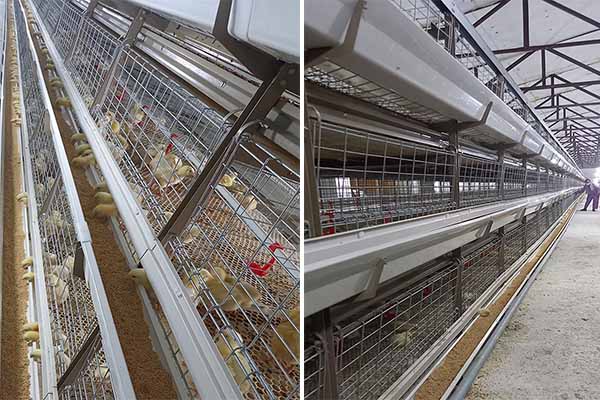
Construct the necessary infrastructure for your poultry farm. This includes brooder houses, laying houses, and feed storage facilities. Ensure that the structures are well-ventilated and provide a comfortable environment for your chickens.
Step 5: Acquiring Chickens and Feed
Purchase high-quality chicks from a reputable supplier. Choose a breed that suits your market demands and climate conditions. Additionally, ensure a reliable source of feed and supplements to maintain the health and productivity of your flock.
Step 6: Implementing Biosecurity Measures
Biosecurity is crucial in poultry farming to prevent diseases. Implement measures such as regular cleaning and disinfection, isolation of new arrivals, and control of pests and rodents.
Step 7: Staffing and Training
Hire skilled staff and provide them with proper training. Your team should be knowledgeable about poultry farming practices, including feeding, health management, and egg collection.
Step 8: Marketing and Sales
Develop a marketing strategy to promote your poultry products. Use various channels such as local markets, wholesalers, and direct sales to your customers. Ensure that your products are of high quality and meet the market demands.
Step 9: Monitoring and Record Keeping
Regularly monitor your flock’s health, growth, and productivity. Keep detailed records of feed consumption, egg production, and other relevant data. This information will help you make informed decisions and optimize your farm’s performance.
Step 10: Investing in Quality Equipment
To enhance your poultry farming operations, invest in high-quality equipment from trusted suppliers like Livi Machinery. Our range of poultry farming equipment includes feeders, waterers, and automation systems to streamline your farm’s operations.
At Livi Machinery, we are committed to providing our clients with top-notch poultry farming equipment and exceptional service. From automated feeding systems to precision waterers, our products are designed to help you maximize your farm’s productivity and profitability.
Contact us today to learn more about our range of equipment and how we can support your poultry farming business. Let’s grow together!