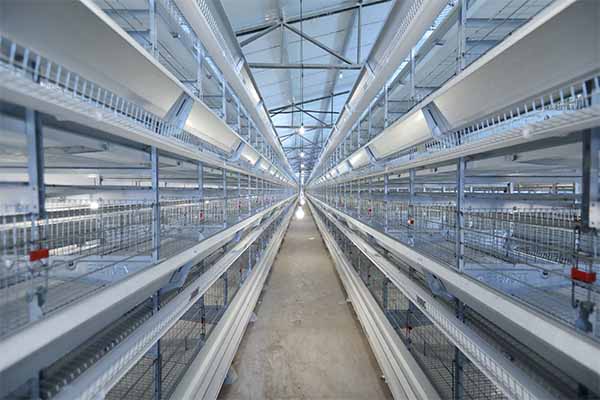
Best Poultry Farming Practices for 80,000 Layers in Tanzania
In Tanzania, poultry farming is a vital industry that contributes significantly to the country’s economy. With the increasing demand for poultry products, it’s essential for farmers to adopt the best practices to ensure high productivity and profitability. This article delves into the best poultry farming practices specifically tailored for managing 80,000 layers in Tanzania.
Optimal Farm Design and Layout
The first step in successful poultry farming is to design a farm that accommodates the number of layers efficiently. A well-planned layout minimizes the risk of disease spread and maximizes space utilization. Here are some key considerations:
– Ventilation: Ensure that the farm has adequate ventilation to maintain a healthy environment for the birds.
– Sanitation: Implement strict sanitation protocols to prevent disease outbreaks.
– Water Supply: Access to clean, fresh water is crucial for the health and productivity of the flock.
Feeding and Nutrition
Proper nutrition is the cornerstone of a healthy flock. For 80,000 layers, a well-balanced diet is essential:
– High-Quality Feed: Use high-quality feed that meets the nutritional requirements of laying hens.
– Regular Feeding Schedule: Maintain a consistent feeding schedule to optimize egg production.
– Supplements: Consider adding supplements to the diet to support overall health and productivity.
Health Management
Preventing disease is more effective than treating it. Here are some health management practices:
– Regular Health Checks: Conduct regular health checks to detect and treat diseases early.
– Vaccination Programs: Implement a comprehensive vaccination program to protect against common poultry diseases.
– Biosecurity Measures: Enforce strict biosecurity measures to prevent the introduction of pathogens.
Egg Collection and Storage
Efficient egg collection and storage are crucial for maintaining egg quality:
– Automated Collection: Use automated egg collection systems to reduce manual labor and prevent contamination.
– Cooling: Store eggs in a cool, dry environment to extend shelf life.
– Quality Control: Regularly inspect eggs for quality and discard any that do not meet standards.
Farm Management Software
Managing a large-scale poultry operation like 80,000 layers requires efficient farm management software:
– Inventory Management: Keep track of feed, medication, and other supplies.
– Performance Tracking: Monitor the performance of the flock and make data-driven decisions.
– Financial Management: Manage finances effectively with detailed reports and analytics.
Equipment and Technology
Investing in the right equipment can significantly improve efficiency and productivity:
– Automated Feeding Systems: Use automated feeding systems to ensure consistent feed intake.
– Watering Systems: Implement reliable watering systems to maintain hydration levels.
– Environmental Control: Use environmental control systems to manage temperature and humidity.
Conclusion
Implementing these best poultry farming practices for 80,000 layers in Tanzania can lead to a more profitable and sustainable operation. At livi Machinery, we offer a range of high-quality poultry farming equipment and services designed to meet the needs of large-scale poultry farms. Contact us today to discuss how we can help you optimize your poultry farming operation.