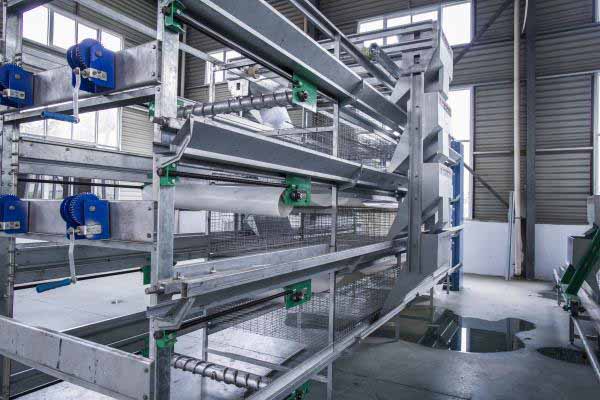
How to Clean and Maintain Cages for 100,000 Layers in Ghana
Cleaning and maintaining cages for a large-scale poultry operation, such as one with 100,000 layers in Ghana, requires a systematic approach to ensure the health and productivity of the flock. Here are some essential steps to keep your chicken cages clean and well-maintained.
Step 1: Regular Cleaning Schedule
Establish a regular cleaning schedule to avoid buildup of waste and dirt. Daily cleaning is ideal, but at the very least, clean the cages every other day.
Daily Tasks:
– Remove Manure: Use a scoop or a mechanical device to remove manure from the cages.
– Sweep Debris: Sweep any remaining debris or feed out of the cages.
– Sanitize Feeders and Waterers: Clean and sanitize all feeding and watering equipment.
Step 2: Deep Cleaning
Perform a deep clean at least once a month to eliminate any persistent bacteria or parasites.
Deep Cleaning Process:
– Empty Cages: Remove all chickens and equipment from the cages.
– Wash Cages: Use a high-pressure washer or a bucket of soapy water to clean the inside of the cages.
– Disinfect: Apply a disinfectant solution to kill any pathogens that may be present.
– Dry Cages: Allow the cages to dry completely before reintroducing chickens.
Step 3: Equipment Maintenance
Regular maintenance of equipment is crucial to prevent breakdowns and ensure efficient operation.
Equipment Maintenance:
– Check Feeders and Waterers: Ensure they are working properly and replace any damaged parts.
– Inspect Ladders and Walkways: Repair or replace any worn-out ladders or walkways.
– Clean Fans and Ventilation Systems: Dust and clean fans and ventilation systems to maintain air quality.
Step 4: Biosecurity Measures
Implement biosecurity measures to prevent the introduction of diseases into your flock.
Biosecurity Measures:
– Control Access: Limit access to the farm to authorized personnel only.
– Sanitize Shoes and Clothing: Provide sanitizing stations for workers to clean their shoes and clothing.
– Monitor Health: Regularly check the health of your chickens and isolate any sick birds.
Step 5: Regular Health Checks
Regular health checks can help identify and address any issues early.
Health Checks:
– Monitor Egg Production: Keep track of egg production to detect any drops in productivity.
– Inspect Birds: Regularly inspect the birds for signs of illness or injury.
– Consult a Veterinarian: Work with a veterinarian to develop a health management plan.
Choose the Right Equipment
At livi Machinery, we understand the importance of reliable and efficient equipment for your poultry operation. Our range of high-quality chicken equipment, including feeders, waterers, and cleaning systems, is designed to meet the needs of large-scale farms like yours.
For more information on how our equipment and services can help you maintain your 100,000-layer cages in Ghana, contact us today. We are committed to providing solutions that enhance your farm’s productivity and profitability.